
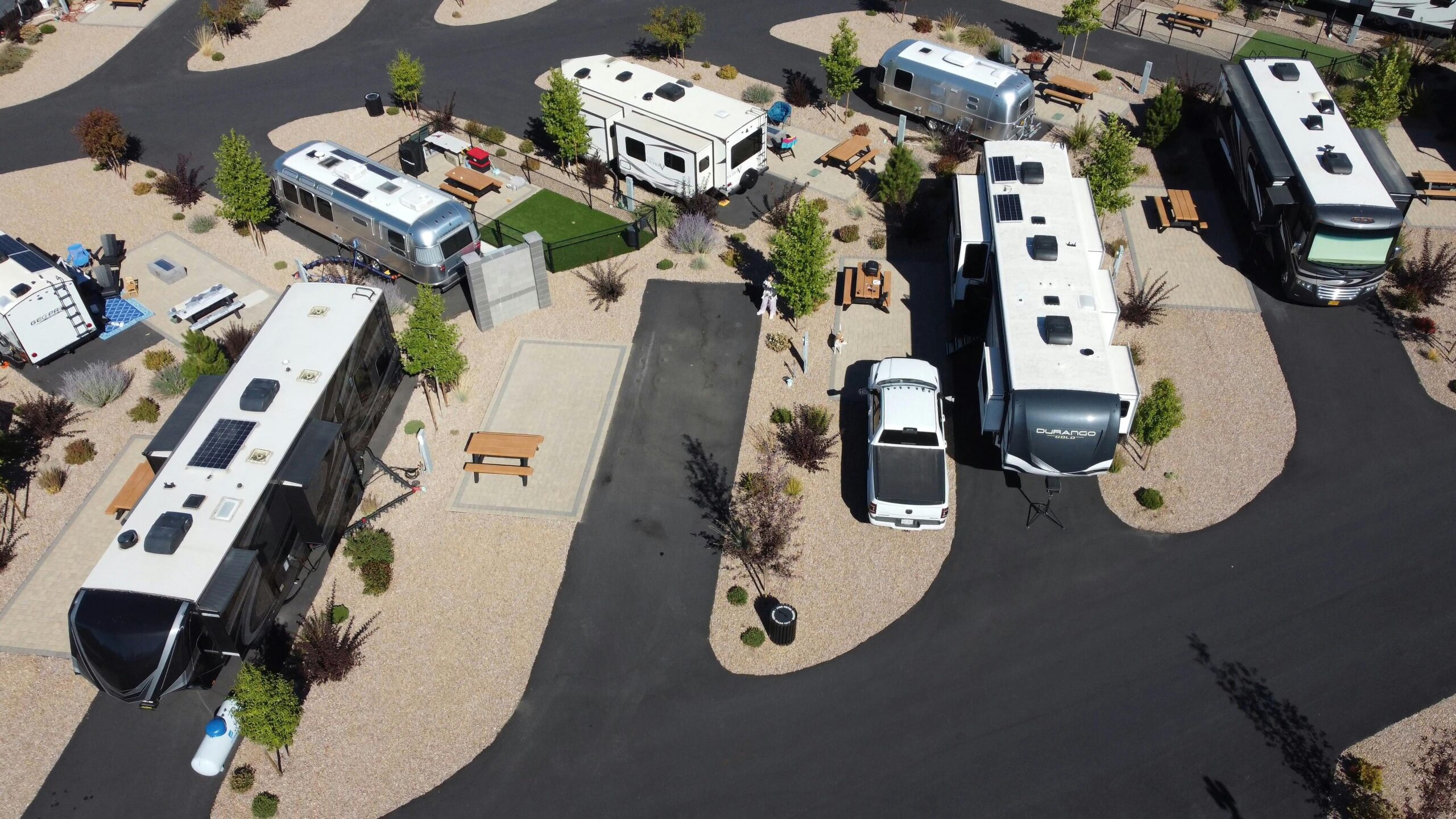
Interest in RV solar panels is rising, and with good reason.
Solar power for RVs is perfect for off-grid RV living, boondocking, and navigating campground limitations. Furthermore, it’s a more cost-effective, eco-friendly alternative to traditional power.
If you’re thinking about installing an RV solar power system, it’s important to set expectations first. You’ll need to consider project timing, system size, safety, and warranty implications. Your RV solar power system should be optimized for your usage.
At Wholesale Warranties, we strive to provide educational resources focused on protecting your RV investments.
Why Solar Power is Growing in Popularity
RV solar power is a system that uses rooftop solar panels, batteries, and power electronics to generate and store electricity for an RV without shore power.
RV solar power benefits are manifold. Harnessing the sun’s energy, it provides off-grid RV power and replaces any need for a noisy, fuel-dependent generator. Energy independence offers greater travel flexibility, increasing convenience while minimizing environmental harm.
Key Benefits of RV Solar Panels for RV Owners
Reduced Reliance on Shore Power and Generators
RV solar panels allow travelers to camp without relying on electrical hookups or generators. You can extend your stay anywhere sunlight is available.
Quiet and Clean Energy Source
No generators means no noise, fumes, or vibration, creating a better campground experience for you and your neighbors. Enjoy your setting without the pollution of generator noise.
Supports Essential RV Systems
Another benefit of RV solar panels is that they can power all your essential RV systems and appliance capabilities, such as refrigerators, lights, fans, and device charging. Stored energy can serve as an emergency power backup.
Added RV Resale Value
RV solar is an advantageous buyer-friendly upgrade. With all the benefits of RV solar power, having a pre-installed RV solar power system can be the definitive selling point.
How RV Solar Power Systems Work
This section details the core components that power an RV solar system.
Solar Panels
Solar panels are either monocrystalline or polycrystalline. Monocrystalline panels are more efficient, whereas polycrystalline panels are more affordable. They can either be mounted on the roof or portable, depending on size limitations, capacity needs, and preferences.
Charge Controller
In an RV solar system, the charge controller regulates the electrical current delivered to the electrical loads and batteries. PWM and MPPT are the main types of charge controllers. Controller type impacts efficiency. PWM controllers are more affordable but less efficient than MPPT controllers.
Battery Banks
Battery banks store and provide harnessed solar energy. Batteries come in a range of capacity sizes and types, so it’s important to research different options. There are lithium batteries and AGM batteries. There are pros and cons to each. Lithium batteries offer greater value in terms of capacity, discharge, and weight. AGM batteries function better in freezing conditions and may be easier for an amateur installer.
Inverters
The inverter converts the direct current (DC) electricity generated by solar panels into alternating current (AC). Appliances run on AC electricity. There are pure sine wave inverters (PSW) and modified sine wave inverters (MSW). PSW is ideal for powering more complex, sensitive electronics smoothly.
Monitoring Systems
A monitoring system is a great way to monitor the health and efficiency of your RV solar power system. Some can be connected to mobile apps for easy and convenient access. Some solar inverters have digital displays that feature battery charge information. Others have status indicators. Monitoring prevents unnecessary strain on the RV solar system and allows owners to optimize energy usage.
RV Solar System Components:
- Solar Panels
- Charge Controller
- Battery Bank
- Inverter
Sizing an RV Solar System
The size and number of solar panels depends on various factors. When consulting on size, consider daily energy usage and peak usage. What appliances do you want to power and at what wattage? Do you travel on the weekends or RV full-time? What climate do you live and travel in, and how will that impact sun exposure? What roof space constraints are you working with?
Connecting with a professional RV solar panel installer will offer insight on system sizing.
Important Decisions to Make Before Installing RV Solar
Before the RV solar panel installation, there are some key considerations to make when RV solar planning. We recommend creating an RV solar installation checklist to track progress and manage items.
- Energy usage assessment
- Partial vs full solar setup
- Compatibility with existing RV electrical system
- Roof layout and shading analysis
- Weight and structural considerations
- Budget vs long-term value
- Timing: factory install vs retrofit
DIY RV Solar Installation vs Professional Installation
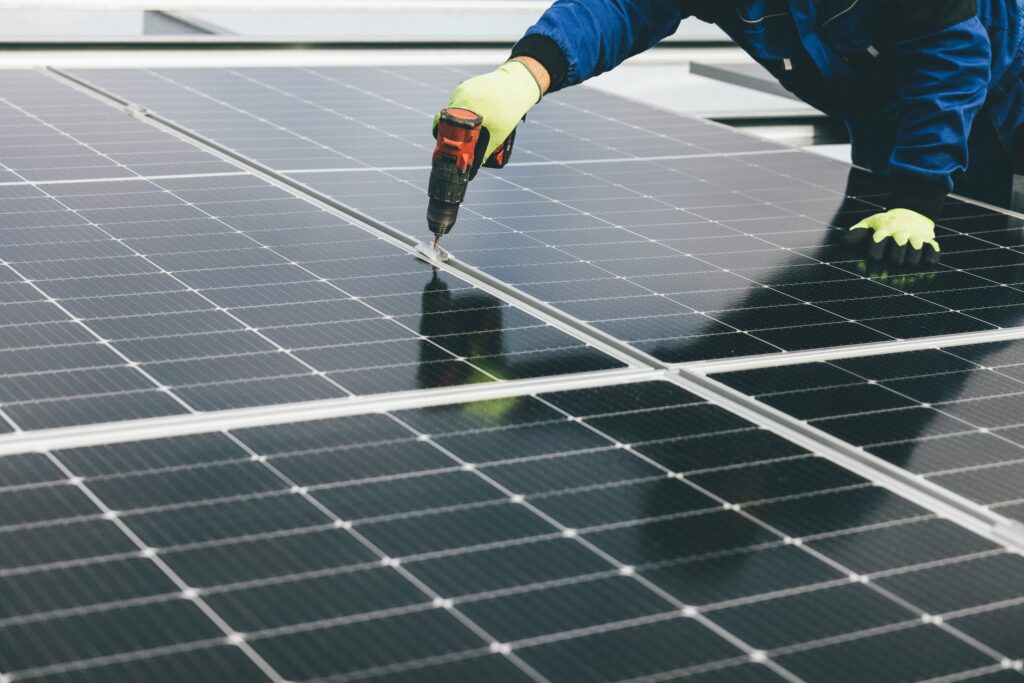
DIY RV solar installation is a significant undertaking—but it can be done with enough dedicated time and research. In order to prepare for unexpected costs, budgeting will require a greater cushion. For those with enough expertise to tackle a project of this scale, they may still consider a consultation with an RV solar expert.
Professional RV solar installation may be more expensive, but it is also more flexible and convenient. With the expertise of a professional, fewer mistakes are likely to occur. If they do, accountability falls on them to correct it—not you.
Why DIY RV Solar Appeals to Owners
DIY RV solar is an appealing route, with the most obvious benefit being cost savings. Furthermore, DIY installation means hand-on control and customization.
Common DIY RV Solar Risks
There are a few risks associated with DIY RV solar installation:
- Incorrect wiring and grounding (fire risk)
- Load miscalculations
- Undersized wiring and fuse issues
- Roof penetrations and water intrusion
- Component incompatibility
Advantages of Professional RV Solar Installation
- Proper system design and load modeling
- Code-compliant wiring and protection
- Documented installation records
- Reduced risk of costly mistakes
RV Solar Installation and RV Warranty Coverage
Not all RV warranties treat solar modifications the same. Improper installation can affect coverage eligibility, which is an important consideration when deciding whether to hire a professional RV solar installer.
At Wholesale Warranties, our policies provide coverage for RV solar panels. However, our extended service contracts require professional installation for RV solar warranty coverage. Documentation is important for claims. Verify your coverage before installing solar.
Wholesale Warranties helps RV owners understand how modifications like solar impact extended warranty coverage. Review your coverage options before you upgrade. Get a free quote today.
RV Solar Costs: What Owners Should Budget
RV solar panel costs vary. Costs range from $500 for a basic DIY setup to $10,000 for more elaborate systems and professional installation. It’s tough to nail down exact figures, but determining your needs and preferences will serve as a guide for RV solar budgeting. Consider whether you want an entry-level or advanced RV solar system—and whether you need an advanced setup based on anticipated usage. Get ballpark numbers for components, equipment, long-term maintenance costs, and labor costs, if applicable. For professional installation, receive multiple quotes.
Is RV Solar Worth It for Your Travel Style?
RV solar may be worth it depending on what type of traveler you are. RV solar systems may be more worthwhile to full-timers, boondockers, and travelers who work remotely from the road. Basic systems may still be appealing to energy-conscious seasonal or weekend travelers.
Final Thoughts: Planning a Reliable RV Solar Upgrade
RV solar is not a small upgrade, which is why it requires extensive planning. When properly designed, RV solar is an incredibly valuable upgrade. Keep in mind that professional guidance reduces risk, and that a warranty can protect your investment long term. Review your RV protection options before major electrical upgrades.
Frequently Asked Questions About RV Solar Panels
Can you install RV solar panels yourself?
Yes. The easiest way to DIY install RV solar panels is with a complete RV solar power kit.
How many solar panels does an RV need?
This depends on the size of your RV and your energy needs. The quality of system design and management matters more than the quantity of solar panels.
Will RV solar run an air conditioner?
A robust RV solar system can run an air conditioner. The system may require a pure sign wave inverter (PSW) to do so.
Do RV solar panels work on cloudy days?
Yes, but with reduced output.
Does adding solar affect my RV warranty?
Upgrading an RV with solar power may impact warranty eligibility. Review coverage before making major upgrades.